

A weird thing happened over the past year.
AI stopped feeling futuristic.
Somewhere between startup offices in San Francisco, creator apartments in Los Angeles, and freelancers working out of coffee shops in Brooklyn, AI quietly became part of normal internet work culture.
Not hype.
Not theory.
Infrastructure.
And honestly, that shift happened faster than most people realized.
A year ago, most people were still using AI to generate funny images or test random prompts. Now creators are building entire workflows around it. Small online businesses are replacing tasks that used to require teams. Founders are using AI like a second brain. Even the way people search for information online is starting to change.
The internet feels different right now.
Smaller.
Faster.
More automated.
More competitive.
And the people benefiting the most usually aren’t the loudest online. They’re the ones quietly building leverage while everyone else debates whether AI is overhyped.
Some tools matter more than others though.
A lot of AI apps feel impressive for five minutes and completely forgettable afterward. But a few are genuinely changing how creators, freelancers, entrepreneurs, and digital businesses operate.
These are the ones actually worth paying attention to.
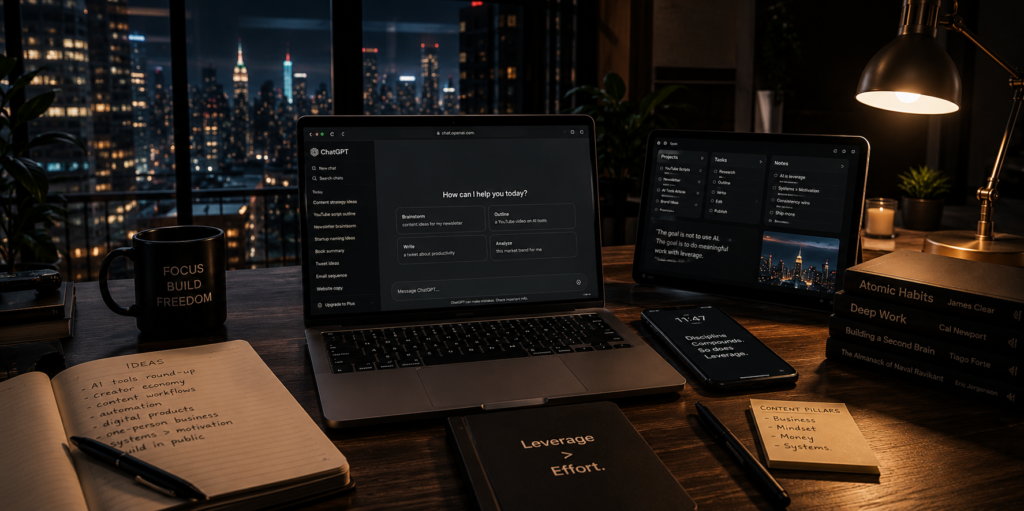
ChatGPT Became the Internet’s Second Brain
At this point, ChatGPT barely feels like “AI” anymore.
It feels more like part of the workflow. Like Google Docs. Or Slack. Or opening twenty tabs you swear you’ll eventually organize.
Writers use it to untangle messy ideas.
Creators use it to speed up scripting.
Entrepreneurs use it to think through business problems that would normally sit in their Notes app for months.
The interesting part isn’t the writing itself.
It’s the reduction of friction.
Modern internet work is mentally exhausting. Too many tabs. Too much information. Too many unfinished ideas floating around at the same time.
ChatGPT compresses that chaos.
And you can already feel how deeply it’s entering digital culture. Walk into enough coworking spaces in Manhattan or creator-heavy cafés in Austin and eventually someone’s going to mention prompts like they’re discussing workout routines.
That’s new.
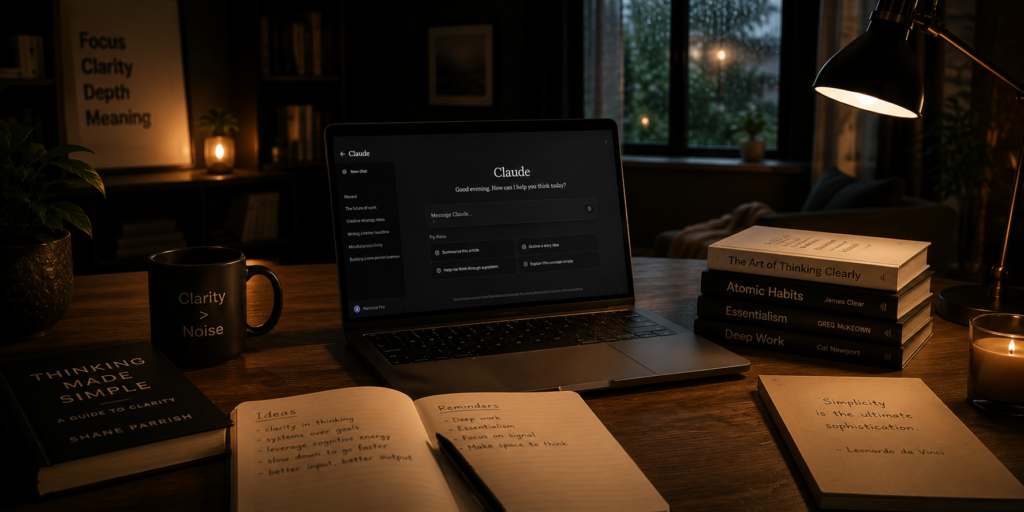
Claude Feels Like a Reaction to Internet Burnout
Claude getting popular makes perfect sense when you look at the current state of the internet.
Everyone’s overwhelmed.
While a lot of AI tools still feel hyper-optimized for speed and output, Claude feels calmer. More thoughtful. Less eager to sound impressive.
A growing number of writers and creators are using it for:
long-form articles,
strategy thinking,
research summaries,
and cleaner writing workflows.
In a strange way, Claude reflects where internet culture itself is heading.
People are exhausted by noise.
Exhausted by clickbait.
Exhausted by algorithmic chaos pretending to be insight.
Claude feels closer to clarity.
That’s probably why it’s become so popular among founders, writers, and digital creatives who spend most of their lives online.
Especially in cities like New York and Austin, where creator culture and startup culture have almost fully merged, tools like Claude are becoming part of everyday workflow conversations.
Quietly.
But quickly.
Claude feels different because it doesn’t constantly sound like it’s trying to impress you.
That’s surprisingly refreshing online.
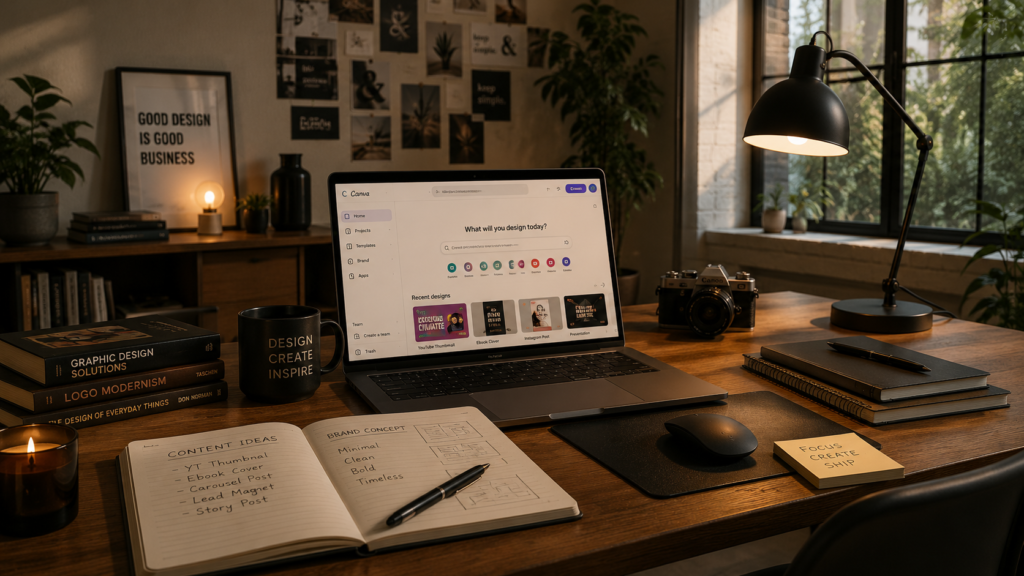
Canva Quietly Became a Creator Economy Giant
Canva might be one of the most underestimated companies on the internet right now.
People still think of it as “the easy design tool,” but it quietly evolved into an entire creator ecosystem.
Pinterest graphics.
Digital products.
Media kits.
Short-form content.
Presentations.
Brand assets.
All built without needing a full creative team.
That changes online business completely.
A solo creator with decent taste and a laptop can now build visuals that compete with small agencies. A few years ago that sounded unrealistic. Now it’s normal internet behavior.
The creator economy didn’t just create influencers.
It created a generation trying to become miniature media companies.
Canva understood that shift earlier than most tech companies did.
Perplexity Feels Like the Internet Fighting Back Against Itself
Traditional search is starting to feel exhausting.
You search one thing and somehow end up trapped inside an endless loop of SEO articles all repeating the exact same advice in slightly different wording.
Same structure.
Same fake enthusiasm.
Same “ultimate guide.”
Perplexity feels like the internet reacting to its own information overload problem.
Cleaner answers.
Less friction.
Faster research.
That’s probably why it’s growing so fast among founders, creators, and students right now.
The internet became incredibly noisy over the past few years. Tools helping people filter signal from noise are becoming valuable very quickly.
And honestly, that trend probably extends far beyond AI.
People are craving simplicity again.
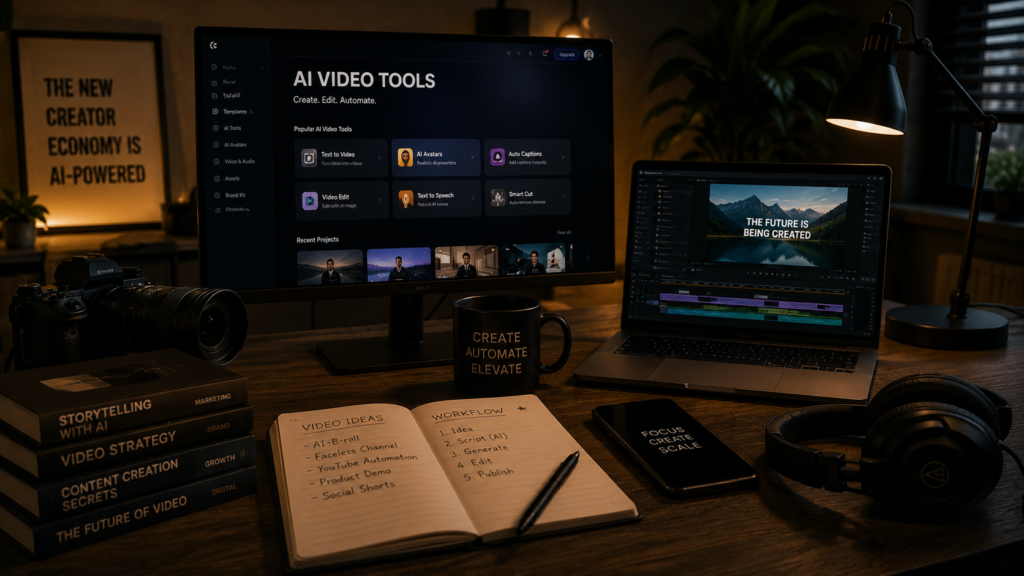
AI Video Tools Exploded the Moment Creator Burnout Hit
The timing wasn’t accidental.
AI video tools really started exploding around the same time creators openly began talking about burnout, algorithm fatigue, and the pressure of constantly producing content just to stay visible online.
That overlap matters.
Modern internet culture rewards consistency aggressively. But traditional video production scales badly for solo creators. Filming, editing, scripting, revisions — eventually it becomes unsustainable without a team.
That’s why tools like HeyGen and Runway suddenly became impossible to ignore.
Not because creators became lazy.
Because the internet became too fast.
Even Hollywood started reacting once conversations around AI-generated performances and digital likeness rights entered mainstream entertainment discussions. Usually when Hollywood starts getting nervous, it’s a sign something bigger is happening underneath the surface.
The line between creator tools and media infrastructure is starting to blur.
Notion AI Understands the Real Problem Better Than Most Productivity Apps
Most productivity apps are obsessed with efficiency.
Notion AI feels more focused on reducing mental clutter.
That’s a much more modern problem.
Most people online don’t actually lack ambition anymore. They lack systems capable of handling the amount of information modern digital life throws at them every day.
Too many tabs.
Too many platforms.
Too many unfinished thoughts.
The people growing fastest online usually aren’t working nonstop.
They’re building systems that protect their attention.
That’s why organized creators tend to move faster. Their energy isn’t constantly disappearing into digital chaos.
And honestly, remote work culture made one thing obvious very quickly:
Attention became an economic asset.
The people learning how to manage it are gaining a serious advantage.
Our Take
Most people are still treating AI like entertainment.
Something fun to experiment with.
Something slightly futuristic.
Something to casually play around with between scrolling TikTok or watching another “AI will replace everyone” video on YouTube.
Meanwhile, another group is quietly rebuilding their entire workflow around it.
That gap is probably going to matter more than people realize over the next few years.
Because this shift was never just about tools.
It’s about the internet itself changing shape.
Smaller teams.
Faster execution.
One-person businesses.
Digital leverage.
Creators turning into media companies without asking permission first.
And honestly, that’s probably why this moment feels different from previous tech trends.
AI isn’t sitting outside internet culture anymore.
It’s already inside it.
Inside creator workflows.
Inside startup culture.
Inside modern online business.
Inside the way people think, organize, research, edit, write, and build.
Somewhere between Manhattan coworking spaces, Los Angeles creator apartments, and late-night startup conversations in Austin, AI quietly became part of everyday digital work culture.
Not hype.
Infrastructure.
And we’re probably still earlier than most people think.